
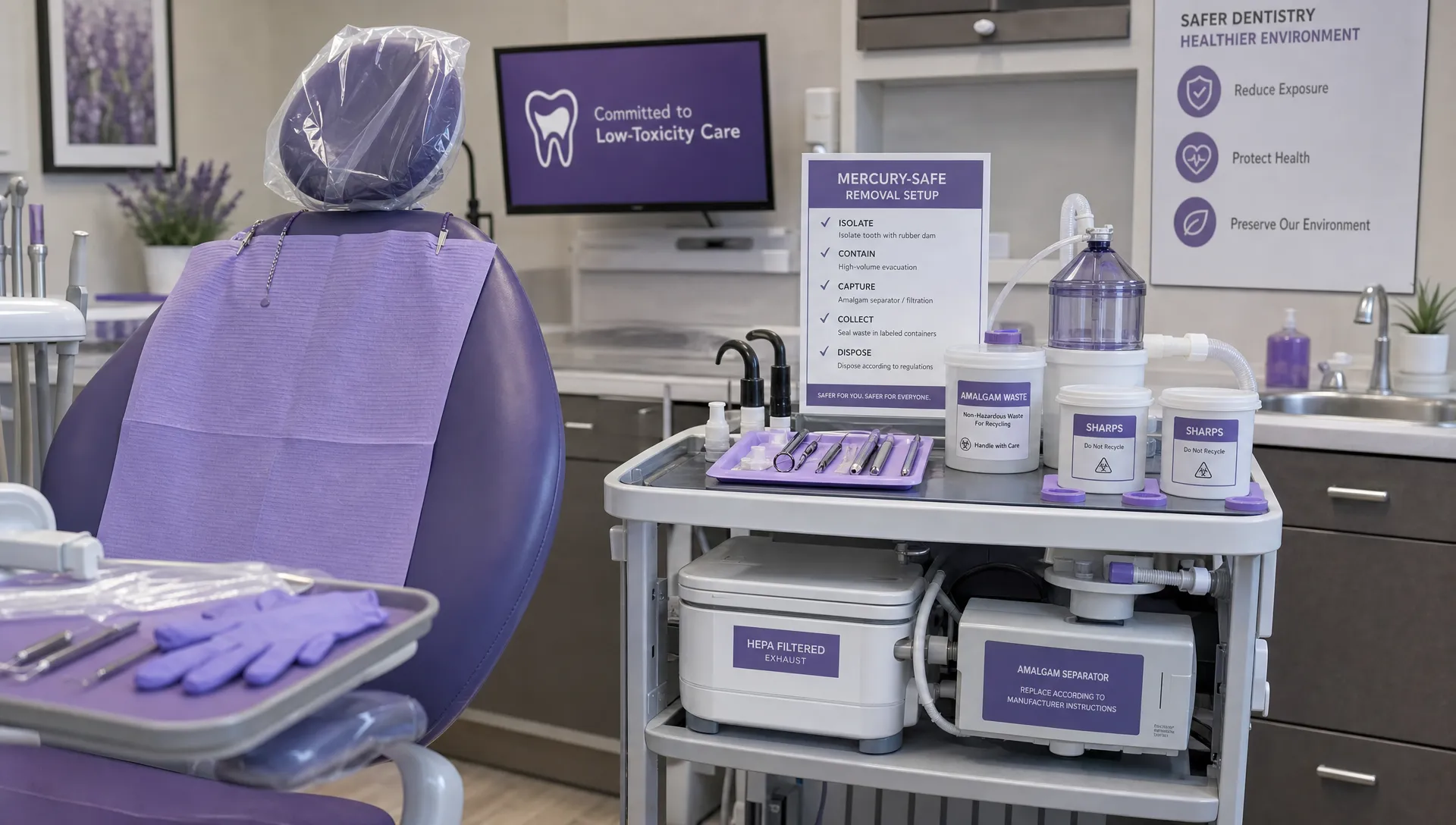
A personalized treatment plan should do more than tell you which teeth need work. In a biological dental practice, it should explain why those issues may be happening, how your mouth may be affecting your body and which materials or procedures best fit your biology. For health-conscious patients in Tulsa, Oklahoma, that distinction matters.
At Origin Dental Wellness, treatment planning is not built around a one-size-fits-all checklist. Shannon Toler, DDS, BCHN, AIAOMT, FAAOSH, FMRII, evaluates the mouth through a biological lens, meaning the plan considers inflammation, immune burden, oral bacteria, existing dental materials, nutrition, airway clues and each patient’s sensitivity profile.
That approach can be especially valuable if you are toxin-sensitive, immune-compromised, concerned about mercury or fluoride, interested in cosmetic improvements or simply trying to make lower-toxicity choices for your long-term health.
What makes a biological dentist treatment plan different?
A conventional treatment plan often starts with visible dental problems: cavities, worn fillings, cracked teeth, gum pockets or cosmetic concerns. A biological dentist still takes those findings seriously, but asks additional questions before recommending care.
A biological plan considers questions such as:
- Is there active inflammation, infection or biofilm imbalance that should be addressed first?
- Are any existing materials, such as metal restorations, creating concern for this patient’s biology?
- Does the patient have chemical sensitivities, allergies or immune challenges that affect material selection?
- Could saliva, nutrition, airway, bite forces or oral habits be contributing to breakdown?
- How can treatment be sequenced to reduce unnecessary exposure and support healing?
The National Institute of Dental and Craniofacial Research notes that oral health is connected to overall health, including how infection and inflammation in the mouth can affect daily function and well-being. The NIDCR Oral Health in America report is a helpful public resource for understanding why dentistry should not be isolated from the rest of the body.
From the biological perspective at Origin Dental Wellness, a dentist treatment plan is not just a repair list. It is a health-centered roadmap that helps patients understand priority, timing, material choice and the reasoning behind each recommendation.
Step 1: Listening to the patient’s whole health story
The first step is not a drill or a scanner. It is the conversation.
Many people who choose a holistic or biological dentist have a more complex health background than the average dental chart can capture. They may react strongly to fragrances, metals, medications or common dental materials. They may have autoimmune conditions, gut concerns, chronic inflammation, a history of multiple root canals or mercury amalgam fillings. Others come in with no major medical diagnosis, but they want dentistry that aligns with a cleaner lifestyle.
Dr. Toler uses the patient’s health history, dental history and goals to guide the level of evaluation needed. A patient who wants a healthier smile before cosmetic work may need a different sequence than someone with bleeding gums, multiple old restorations or suspected material sensitivity.
This is also where expectations are clarified. A biological plan may recommend addressing foundational health concerns before elective cosmetic procedures. For example, gum inflammation, unstable bite forces or active decay may need attention before whitening, veneers or aligner planning. The goal is not to delay the smile improvement. The goal is to avoid building cosmetic dentistry on an unhealthy foundation.
Step 2: Looking beyond cavities with advanced diagnostics
A personalized plan requires better information than a quick visual exam can provide. Depending on the patient’s needs, a biological evaluation may include periodontal assessment, digital imaging, cone beam CT when clinically appropriate, photographs, bite evaluation, review of existing restorations and oral cancer screening.
Origin Dental Wellness also considers saliva and biofilm because the oral microbiome can influence decay risk, gum inflammation and tissue response. Biofilm is not simply “plaque” in the casual sense. It is a living microbial community, and different patients can have very different risk patterns.
The American Academy for Oral and Systemic Health emphasizes the relationship between oral health and systemic wellness, particularly when inflammation, periodontal disease and medical risk factors overlap. You can explore that broader perspective through AAOSH, an organization focused on oral-systemic education.
A biological exam also looks at what may be happening under or around older dentistry. This can include failing fillings, corrosion, cracks, recurrent decay or signs that a tooth is not responding normally. If a tooth is non-vital or deeply compromised, Origin Dental Wellness does not provide root canal therapy. In those situations, Dr. Toler discusses the practice’s biological philosophy, relevant risks, alternatives and appropriate next steps based on the patient’s case.
If you want a deeper look at this diagnostic mindset, Origin Dental Wellness explains similar principles in its article on what a functional dentist looks for beyond cavities.
Step 3: Sorting findings by biological priority
Not every dental finding has the same level of urgency. A small cosmetic concern, a fractured tooth, active gum infection and a leaking metal restoration do not belong in the same category. A useful plan separates what is urgent from what is elective, then explains why.
For patients in the Tulsa metro, including Broken Arrow, Jenks, Bixby, Owasso and Sand Springs, this can be especially helpful if they are balancing travel time, health priorities, family schedules and financial planning. Some patients also visit from Oklahoma City or neighboring states, so sequencing matters.
A biological treatment plan may be organized around priorities like these:
| Planning priority | What it may include | Why it matters biologically |
|---|---|---|
| Active infection or inflammation | Gum disease, abscesses, deep decay, failing teeth | Reduces microbial and inflammatory burden |
| Safety and exposure reduction | SMART mercury removal when appropriate, low-toxicity protocols, isolation techniques | Supports toxin-sensitive patients and safer treatment conditions |
| Biocompatibility | Material review, hypersensitivity concerns, MELISA testing when appropriate | Helps select materials less likely to conflict with the patient’s biology |
| Function and stability | Bite forces, cracked teeth, wear patterns, airway clues | Protects dentistry from repeated breakdown |
| Esthetics and confidence | Whitening, tooth-colored restorations, smile design | Improves appearance once health foundations are addressed |
| Maintenance and prevention | Biofilm control, nutrition, home care, recall schedule | Helps reduce recurrence and supports long-term oral health |
This kind of prioritization helps patients avoid two common problems: doing too little until a crisis develops or doing treatment in the wrong order.
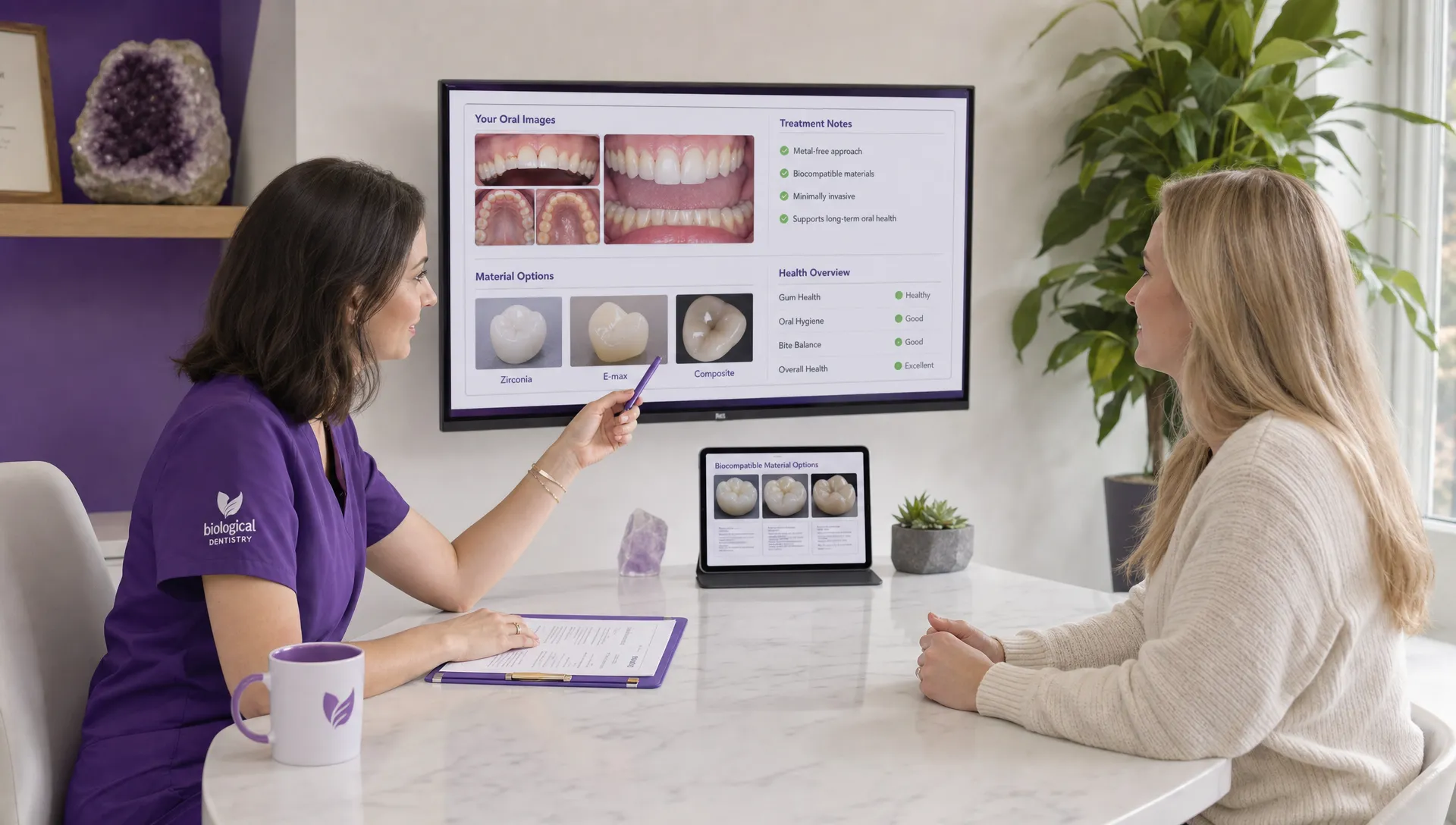
Step 4: Choosing materials that fit the person, not just the tooth
Material choice is one of the biggest differences between conventional and biological treatment planning. A restoration can look beautiful and still be a poor fit if the patient reacts to the material or if the material introduces an avoidable exposure concern.
At Origin Dental Wellness, material selection may consider the tooth location, bite forces, esthetic goals, existing restorations, history of sensitivity and the patient’s immune or allergy background. For some patients, hypersensitivity testing such as MELISA may be discussed before placing new materials. This is not because every patient needs the same testing. It is because some patients need a higher level of personalization.
Mercury amalgam removal is another example. Origin Dental Wellness follows a biological approach to mercury concerns and uses SMART-protocol principles when amalgam removal is recommended. The International Academy of Oral Medicine and Toxicology describes the Safe Mercury Amalgam Removal Technique as a set of measures designed to reduce exposure during removal. The decision to remove or replace any restoration is made after evaluation, not because every old filling automatically requires the same action.
This is also why a biological dentist may discuss fluoride-free prevention, ozone therapy, PRP or PRF, ceramic or composite materials and other options in the context of the patient’s needs. The point is not to use every biological tool available. The point is to choose the tools that make sense for the person in the chair.
For a more focused explanation of this topic, see how Dr. Toler approaches safer dental material choices in a biological practice.
Step 5: Building the plan in phases
A strong treatment plan is sequenced. It should tell the patient what should happen first, what can wait and what depends on the outcome of earlier steps.
This is similar to complex planning in other fields. Technical teams do not start building before they define requirements, inspect constraints and map the path to completion. Companies such as BKL describe this as moving from definition through commissioning of the final solution, and that planning mindset is useful in dentistry too. The clinical version is different, of course, but the principle is the same: thoughtful design helps reduce surprises.
In a biological dental practice, phasing may look like this:
- Stabilization first: Address pain, infection, acute inflammation, broken teeth or urgent decay.
- Biological risk reduction: Review mercury, metals, failing restorations, biofilm concerns and material compatibility.
- Functional rebuilding: Restore chewing function, protect cracked teeth and improve bite stability when needed.
- Esthetic enhancement: Consider whitening, tooth-colored restorations or smile improvements once the mouth is healthier.
- Prevention and monitoring: Create a maintenance schedule, home care strategy and nutrition-aware prevention plan.
This phased structure helps patients understand the “why” behind timing. For example, a patient may want cosmetic changes immediately, but if the gums are inflamed or the bite is unstable, the final result may be less predictable. Another patient may have old amalgam fillings and want them all replaced, but the safest sequence may depend on tooth condition, appointment length, health history and protective protocol.
Step 6: Personalizing prevention through nutrition and microbiome support
Because Dr. Toler is also a Board Certified Holistic Nutritionist, prevention can include more than brushing and flossing instructions. Nutrition, hydration, mineral balance, airway-related dry mouth, mouth breathing, acidic beverages, medication-related dryness and digestive patterns may all influence the oral environment.
A biological plan may discuss how to support a healthier oral microbiome without relying on routine fluoride as the default answer. Origin Dental Wellness is a fluoride-free practice, so prevention focuses on identifying why decay or inflammation is occurring and how to reduce risk through a more individualized plan.
This does not mean every patient receives a long list of supplements or lifestyle changes. It means the conversation is broader. If a patient has recurring decay despite good brushing, the plan should look at saliva quality, diet patterns, biofilm, breathing habits and existing dental work. If a patient has persistent gum inflammation, the plan may look at bacterial load, immune factors and systemic context instead of treating bleeding gums as an isolated mouth problem.
What patients should expect from the planning appointment
Origin Dental Wellness offers a comprehensive new patient experience that is likely more detailed than many initial dental visits patients have had before. The new patient appointment is over $500, and it is designed to provide extensive insight and customized recommendations for overall dental health.
The exact recommendations and fees depend on what Dr. Toler finds and what treatment is recommended. Origin Dental Wellness does not provide a comprehensive public price list because care is individualized. Pricing information is available upon request once a treatment has been recommended.
The practice is out-of-network for all insurance providers. Patients pay in full on the day of the appointment, then Origin Dental Wellness files with the insurance company so the patient can be reimbursed at the out-of-network rate, subject to the insurer’s approval. Treatment is recommended based on clinical and biological appropriateness, not on the likelihood that insurance will cover a procedure.
Origin Dental Wellness does not directly offer financing or pay-over-time plans, but the practice accepts the CareCredit credit card. CareCredit is a third-party option accepted by many medical providers, and patients can review its terms directly through CareCredit.
How to know whether your plan is truly personalized
A personalized biological treatment plan should feel clear, not rushed. You should understand what was found, what it may mean, which items are urgent and which options are available. You should also understand what the practice recommends and why.
Useful questions to ask include:
- What is the highest priority for my health and safety?
- Are any of my existing dental materials a concern for my biology?
- Do I need additional testing before choosing restorative materials?
- How does my gum health or oral microbiome affect the plan?
- What can be phased over time, and what should not wait?
- How will this plan support long-term prevention, not just repair?
A good plan does not pressure every patient into the same pathway. It gives context, explains tradeoffs and respects the patient’s health goals.
Frequently Asked Questions
What is included in a biological dentist treatment plan? A biological dentist treatment plan may include findings from your exam, imaging, periodontal evaluation, material review, biofilm or saliva assessment, health history and personal goals. It also explains priority, sequencing and lower-toxicity options when appropriate.
Is a biological treatment plan only for people with mercury fillings? No. Mercury concerns are one reason patients seek biological dentistry, but planning may also address gum inflammation, fluoride-free prevention, material sensitivity, cosmetic goals, bite issues, airway clues and oral-systemic health.
Does Origin Dental Wellness use fluoride in treatment plans? Origin Dental Wellness is a fluoride-free practice. Prevention is built around identifying the causes of decay or demineralization, supporting the oral microbiome and recommending individualized strategies rather than using routine fluoride as the default.
Will insurance cover a biological dental treatment plan? Coverage depends on your insurance policy and the procedures recommended. Origin Dental Wellness is out-of-network for all insurance providers. Patients pay in full at the appointment, and the team files with insurance so reimbursement can be considered by the insurer.
Do all patients need cone beam CT or material sensitivity testing? No. Dr. Toler recommends diagnostic tools based on the patient’s condition, history and goals. Some patients benefit from advanced imaging or hypersensitivity testing, but the plan is customized rather than automatic.
Ready for a more individualized dental plan in Tulsa?
If you are looking for a biological dentist in Tulsa, Oklahoma, Origin Dental Wellness can help you understand your oral health through a whole-body lens. Whether you are concerned about materials, inflammation, mercury, fluoride, cosmetic dentistry or prevention, your plan should be built around your biology.
Schedule a comprehensive new patient visit with Origin Dental Wellness to receive personalized insight from Dr. Shannon Toler and a care roadmap designed for your long-term oral and overall wellness.